





Sep 22 · 5 min read
H-1B Visas, Trumpââ'¬â"¢s $100,000 Fee Drama, and the Tech World Meltdown
Introduction: Wait, $100,000 for a Visa?!
Imagine this: You are a broke college student. You save coins from under your hostel bed just to sip that fancy Starbucks latte. Then you hearââ'¬"if you dream of working in Silicon Valley on an H-1B visa, thereââ'¬â"¢s a new "cover charge" of $100,000. Yes, six zeros. No, this is not a typo.
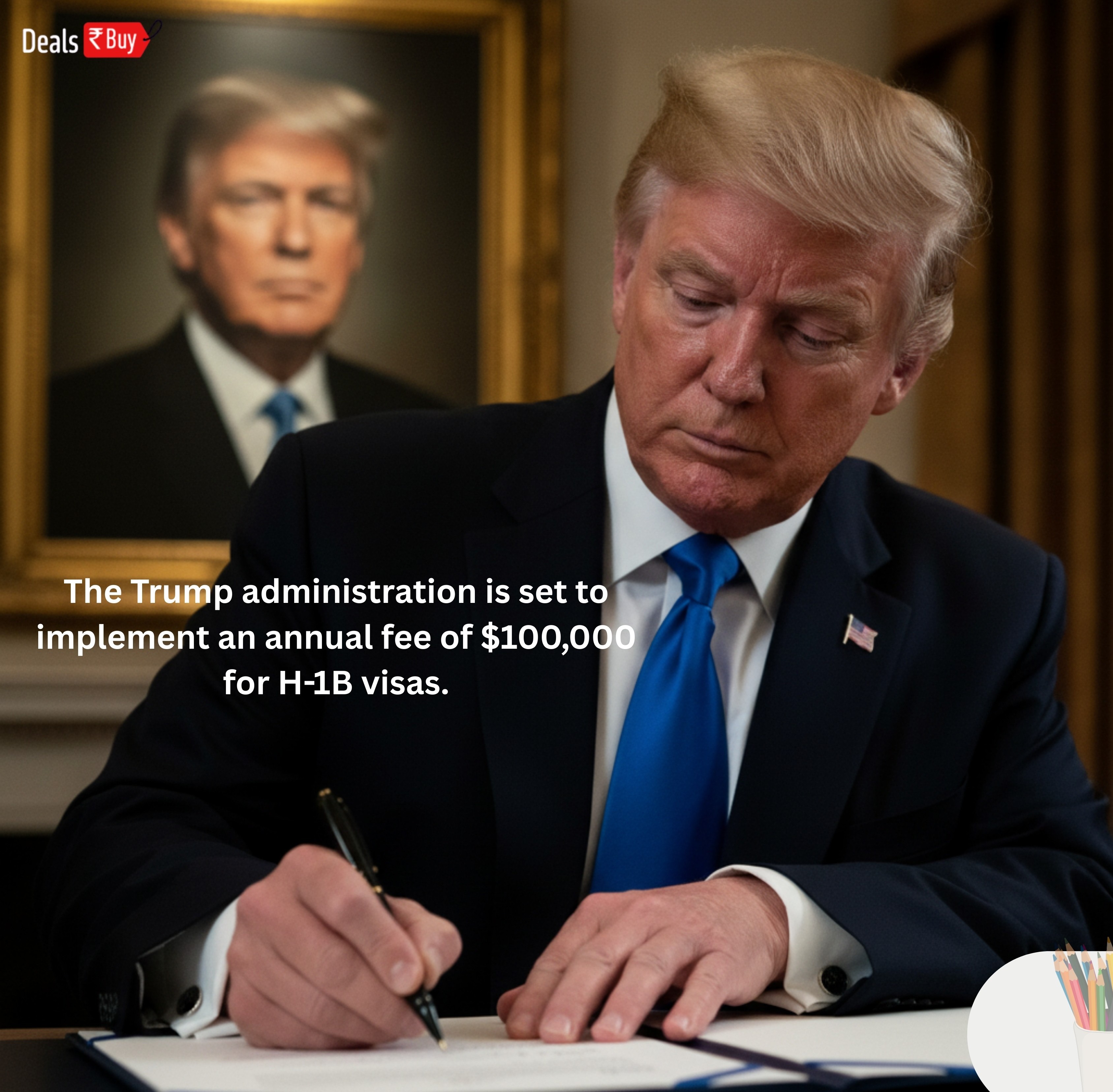
The Trump administration has rolled out this bold (or bizarre) proposal: a one-time fee for H-1B visas. Not yearly. Not like a Netflix subscription gone wild. Just once. But still, $100,000 feels like your entire hostel wingââ'¬â"¢s Maggi budget for the next decade combined.
So, Whatââ'¬â"¢s the Deal?
- Itââ'¬â"¢s a one-time fee, not recurring.
- It applies only to new visa applicants, not renewals.
- If you already have an H-1B, relaxââ'¬"you can fly in and out without dropping another six figures.
Sounds simple? Nope. Every time governments poke at immigration laws, chaos follows. This time, the chaos has tech giants like Google, Amazon, Microsoft, and Meta screaming into their oat milk lattes.
H-1B Visa: A Crash Course
If you already know what H-1B is, skip ahead. If not, hereââ'¬â"¢s the quick breakdown:
- Itââ'¬â"¢s a U.S. work visa for skilled foreign workers, mostly from India and China.
- Companies sponsor you, basically saying: ââ'¬Å"Hey America, we need this coder badly. Please let them in.ââ'¬
- Tech companies rely on it big time. Why? Because the U.S. just doesnââ'¬â"¢t have enough coders who can juggle Python, React, and random Wi-Fi problems all at once.
- Thereââ'¬â"¢s a lottery each year because demand crushes supply. Think of it like applying for passes to the hottest college festââ'¬"except instead of free merch, you win a job in Silicon Valley.
Trumpââ'¬â"¢s New Twist: The $100k Sticker Shock
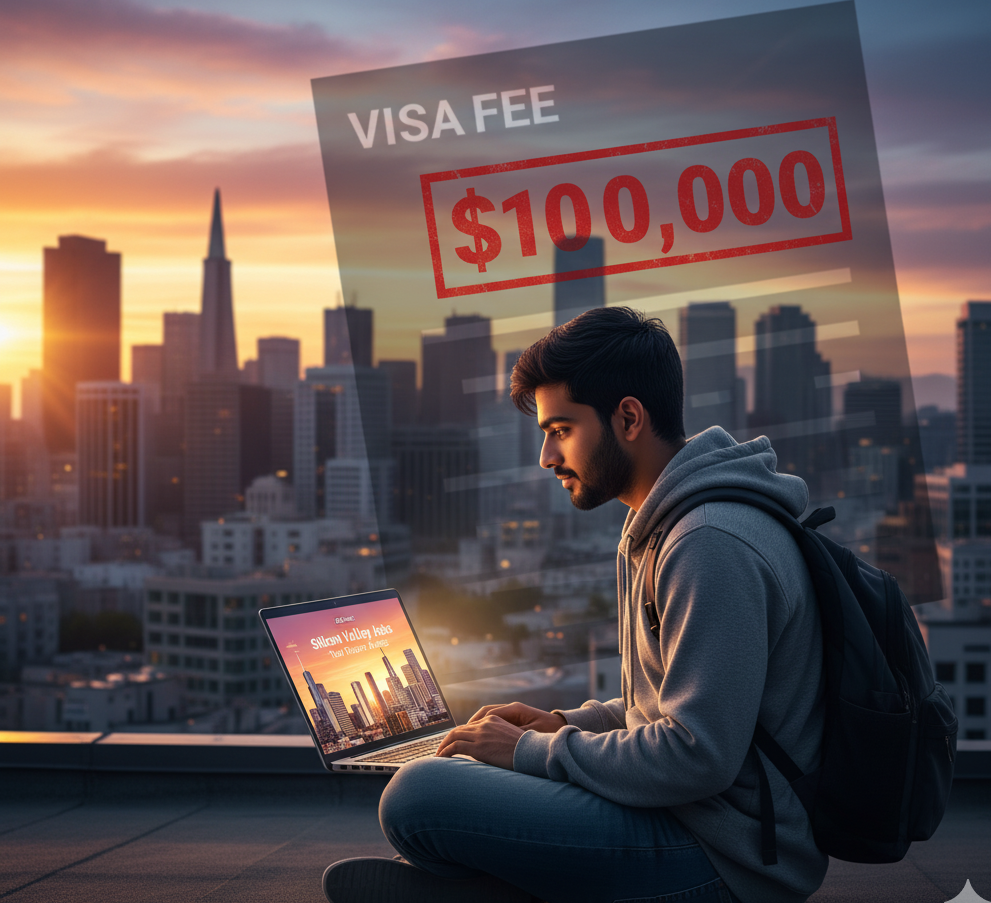
So hereââ'¬â"¢s the drama: Trump wants every new H-1B applicant to bring $100k to the table. At first, there was confusionââ'¬"it sounded like an annual thing (which would have been absurd). Later, the Press Secretary clarified: ââ'¬Å"Relax, itââ'¬â"¢s just one-time.ââ'¬ Phew? Wellââ'¬¦ not really.
Why is this still chaos?
- Big Tech is panicking:Â Amazon alone has 10,000+ H-1B workers. Imagine paying $100k per new hire. Multiply that by hundreds. Even Jeff Bezos would choke on his fancy latte.
- Startups are crushed: That cool Bangalore AI engineer you wanted to hire? Forget it. Small companies canââ'¬â"¢t play in this league. The rich firms survive; the scrappy ones sink.
- Lawyers are sharpening pencils: Lawsuits are incomingââ'¬"ââ'¬Å"unfair, discriminatory, unconstitutional.ââ'¬ Expect months of courtroom drama.
Winners, Losers, and the In-Between
- Safe:Â People already on H-1B visas. They can keep living their American dream without a new fee.
- Not safe: New applicants, especially this yearââ'¬â"¢s lottery hopefuls.
- Special cases: If youââ'¬â"¢re working on national security or youââ'¬â"¢re Elon Musk, you might get an exemption. Lucky you.
Why the Tech World is Screaming
Letââ'¬â"¢s be clear: Silicon Valley runs on H-1B workers. Without them, code would remain forever in ââ'¬Å"under testing.ââ'¬ Hereââ'¬â"¢s a reality check:
- Amazon: 10,000+ H-1Bs
- Google, Meta, Microsoft, Apple: 4,000ââ'¬"5,500 each
- Other biggies: Intel, IBM, NVIDIA, Walmart
Even Elon Musk (yes, the meme guy) entered the U.S. on an H-1B. Instagramââ'¬â"¢s co-founder did too. Without this visa, your Insta scroll might not even exist today. So when the fee jumps to $100k, the entire industry goes: Bruh.
The Official Spin: Protecting U.S. Jobs
The Trump pitch is simple: companies abuse H-1Bs to hire cheap foreign workers and undercut Americans. Is it true? Well, partly.
- Yes, some outsourcing firms have exploited it by paying less.
- But most tech giants say theyââ'¬â"¢re desperate for talent. Honestly, can that dude still debugging a C++ project from 2nd year handle Amazonââ'¬â"¢s video streaming code? Exactly.
Wait, Whatââ'¬â"¢s This ââ'¬Å"Gold Cardââ'¬ Thing?
Plot twist: Alongside the $100k H-1B fee, Trump also rolled out a new visa called the Gold Card. Sounds like a credit card upgrade, right? Hereââ'¬â"¢s the gist:
- Itââ'¬â"¢s for rich entrepreneurs, investors, and CEOs.
- The ââ'¬Å"entry feeââ'¬? $1 million for individuals. $2 million if a company applies for you.
- Translation: If youââ'¬â"¢re rich, just buy your way in. Itââ'¬â"¢s like airlines launching First Class Suites while charging economy for water bottles.
What This Means for Students Like You
Letââ'¬â"¢s be real: most of you reading this are either future job-hunters dreaming of the U.S. or procrastinating students avoiding assignments. Either way, hereââ'¬â"¢s the reality check:
- The $100k fee makes companies pickier. Only the best get sponsored.
- Startups may stop hiring globally. Theyââ'¬â"¢ll look for locals or remote workers instead.
- Big Tech will still pay. Amazon and Google canââ'¬â"¢t survive without global talent.

Winners vs Losers: Business Angle
- Winners:Â Wealthy folks with Gold Cards, giant corporations who can absorb costs, maybe U.S. workers if more locals get jobs.
- Losers: Startups, fresh graduates from abroad, and mid-level foreign pros without ââ'¬Å"national interestââ'¬ labels.
My Bold Take
On the surface, this looks patrioticââ'¬"ââ'¬Å"save American jobs!ââ'¬ But in reality, itââ'¬â"¢s a wall blocking talent. Innovation thrives on diversity and collaboration. Raise the cost sky-high, and you suffocate the very industries that keep the economy buzzing.
And the irony? Many U.S. tech giants were founded or led by immigrants. Sundar Pichai (Google), Satya Nadella (Microsoft), Sergey Brin (Googleââ'¬â"¢s co-founder), Elon Musk (Tesla, SpaceX). If $100k fees had existed back then, would you even have Gmail or Chrome today?
How Companies Will Adapt
- Remote Work Explosion:Â Why bring workers to the U.S. when Zoom is cheaper than $100k?
- Offshore Growth:Â More offices in India, Eastern Europe, Latin America.
- AI Replacement:Â Fewer visas = more robots. Bad news if you code like a robot already.
- Selective Sponsorship:Â Only rockstars get visas. Average players? Tough luck.
Conclusion: Welcome to the New Normal
Weââ'¬â"¢ve hit a turning point. With this policy, hiring in tech changes. Students rethink career plans. Startups rethink strategies. Is this the end of dreams? Nah. But the U.S. just got less attractive to global talent. And in the long run, that may backfire.
Remember this: talent has no borders. If the U.S. shuts the door, Canada, Europe, and others will happily open theirsââ'¬"and without charging $100k. For you, that means the dream is still alive, just maybe in Toronto instead of San Francisco.
So next time you think about your future in tech, know thisââ'¬"itââ'¬â"¢s not only about acing coding interviews. Itââ'¬â"¢s also about surviving a political game that feels like it was designed by trolls. And trolls donââ'¬â"¢t care if your Wi-Fi is broken.


