





Sep 21 · 5 min read
The Day a Wisconsin Man Stumbled Upon a 138-Year-Old Shipwreck ââ'¬" And Why You Should Care
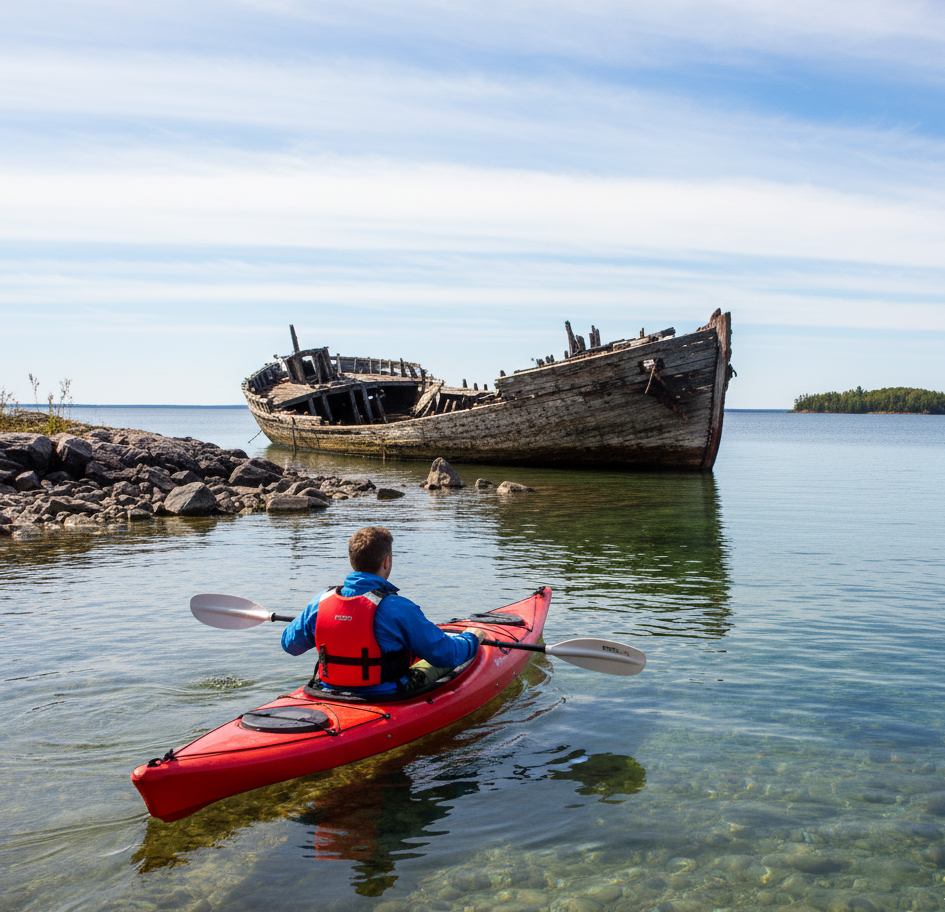
Picture this: youââ'¬â"¢re scrolling through satellite images of Lake Michigan, thinking about where to take your rafting clients, and BAMââ'¬"you spot a shipwreck no one has seen in over a century! Sounds like a Netflix thriller, right? But this actually happened in Wisconsin. The man behind it? Matt Olsonââ'¬"a thrill-seeker who loves uncovering lost history.
And hereââ'¬â"¢s the thingââ'¬"itââ'¬â"¢s not just some old wood lying at the bottom of a lake. Itââ'¬â"¢s a window into the past, a tiny archaeological treasure, and way cooler than your last history lecture.
How a Routine Job Turned Into an Epic Discovery
Matt Olson runs Door County Adventure Rafting. You might imagine smooth waters and kayaking selfies, but one day, while scouting Rowleys Bay in Wisconsin, he spotted something odd in the satellite images.
He said, "I was looking on satellite images of the waters around the peninsula, and I happened to come across this sort of anomaly in the water. This object that maybe could be a shipwreck, maybe it's not."
Notice the cautious ââ'¬Å"maybeââ'¬? Thatââ'¬â"¢s how discoveries start. One hunch, a little curiosity, no full Indiana Jones gear required.
The surprise? Unlike most wrecks buried hundreds of feet deep, the Frank D. Barker was chilling in just 24 feet of shallow water. You could almost spot it from the surface. Which begs the questionââ'¬"how did nobody notice it for 138 years?
Who Was the Frank D. Barker Anyway?
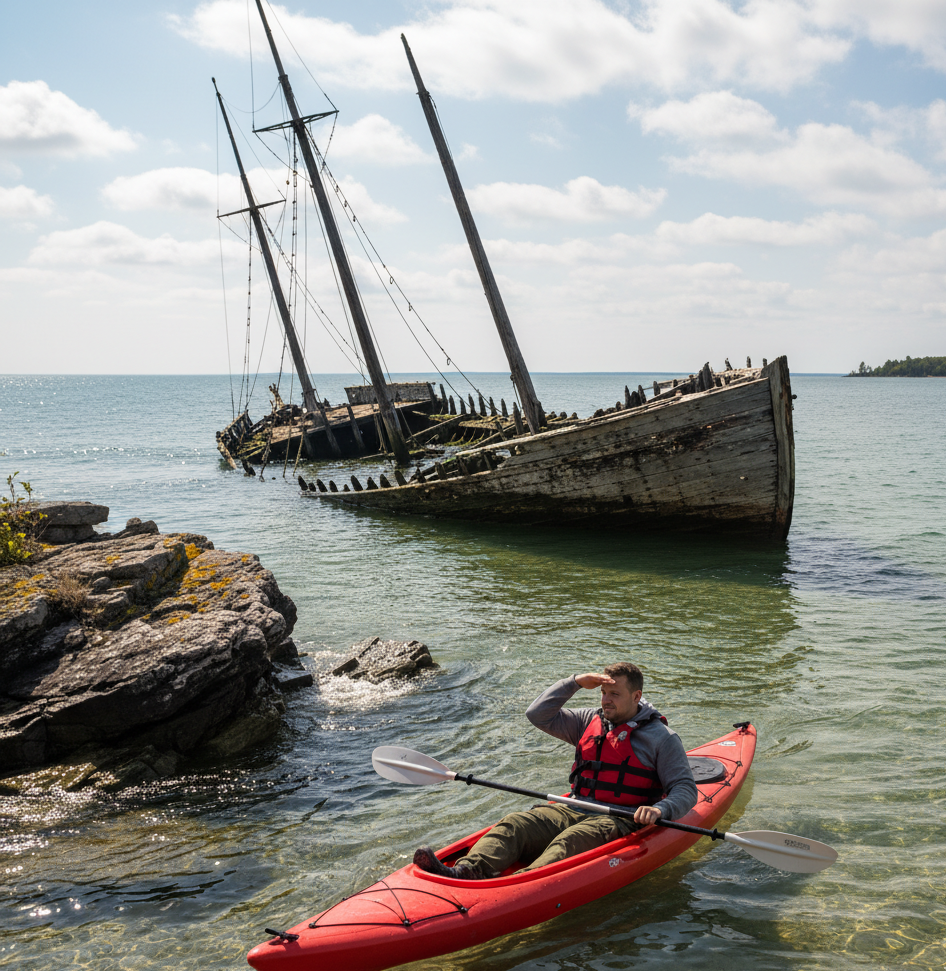
The Frank D. Barker was a two-masted schooner built in 1867. By 1887, she met her watery fate while trying to haul iron ore to Escanaba, Michigan. But hereââ'¬â"¢s the twistââ'¬"she was empty! Riding high in the water, the ship got blown onto a limestone outcropping near Spider Island during a foggy, stormy mishap.
Wisconsin Historical Society Maritime Archaeologist Tamara Thomsen explained: "It was running light, it had no cargo, so it was sitting very high in the water and it got blown over this shoal that's on the end of Spider Island."
Several salvage attempts followedââ'¬"October 1887, then June, August, September, and October of 1888ââ'¬"but nothing worked. The ship, worth $8,000 back then (about $250,000 today), was officially lost.
A Modern-Day Treasure Hunter
Matt Olson isnââ'¬â"¢t new to uncovering lost history. In 2024, he reported the Grey Eagle, an 1857 schooner, and the Sunshine, a scow schooner listed on the National Register of Historic Places in 2023.
Why does this matter? Places like Door County are full of hidden stories. Olson says: "There's a lot of history around hereââ'¬¦ a lot of this stuff has kind of been forgotten about. A lot of these shipwrecks and their locations."
Think about walking through your town and realizing the coffee shop you pass every day was a secret speakeasy 100 years ago. History isnââ'¬â"¢t just in textbooksââ'¬"itââ'¬â"¢s everywhere, waiting for discovery.
Why College Students Should Care
You might be thinking, ââ'¬Å"Cool story, but why does this matter to me?ââ'¬ Well, hereââ'¬â"¢s why:
- Curiosity is key: Olsonââ'¬â"¢s story proves small curiositiesââ'¬"like spotting a weird spot on a satellite imageââ'¬"can lead to huge discoveries. This works in research, entrepreneurship, or any creative field.
- Persistence pays off: The Barker didnââ'¬â"¢t get saved despite many salvage attempts. Life lesson: some things require patience, trial, and error.
- History is everywhere: You donââ'¬â"¢t need a textbook to learn the past. Studying patterns and lessons from history helps in business, tech, artsââ'¬"everywhere.
Plus, itââ'¬â"¢s way cooler to say you know about a 138-year-old shipwreck than to recite the periodic table in class.
Modern Tech Meets Old School Shipwrecks
One fascinating part? Technology played a huge role. Olson used satellite imagesââ'¬"tools most of us associate with Google Maps or weather appsââ'¬"to find a centuries-old ship.
Tech + curiosity = magic. Algorithms and satellite data highlight anomalies, and humans explore them. Companies like Google, NASA, and NOAA use similar tech to map oceans, track climate changes, and discover underwater structures.
Marine tech startups are creating drones and sensors that find wrecks faster than divers alone. So next time youââ'¬â"¢re aimlessly scrolling Google Earth, rememberââ'¬"you might stumble upon history.
What Makes This Discovery Special?
No pirate treasure here, but still epic:
- Cultural significance: The Barker tells us about 19th-century shipping, trade, and industry.
- Accessibility: Shallow water makes it easier for divers and historians to study.
- Legacy of a community: Door County and Wisconsin have rich maritime histories often overlooked.
Itââ'¬â"¢s like finding your grandfatherââ'¬â"¢s diary in the atticââ'¬"itââ'¬â"¢s not gold, but the stories are priceless.
Fun Facts About Shipwrecks
- The Black Sea holds a 2,400-year-old Greek trading shipââ'¬"older and deeper, but same concept.
- Shipwrecks reveal trade routes: cargo remnants show what goods moved centuries ago.
- Weather claimed countless ships. Fog, storms, iceââ'¬"The Barker is just one among many.
History is a giant detective story, waiting for someone like Matt Olson to uncover it.
The Bigger Picture
Matt Olsonââ'¬â"¢s discovery teaches something crucial: curiosity, technology, and luck can lead to amazing finds. Whether youââ'¬â"¢re a student, entrepreneur, or explorer, hereââ'¬â"¢s what to take away:
- Keep your eyes open. Weird anomalies could be opportunities.
- Learn from history. Ships sink, businesses fail, but lessons remain.
- Embrace the unknown. Sometimes the most exciting things are right under your noseââ'¬¦ or under a lake.
Conclusion: A Story Worth Telling
The Frank D. Barker sank 138 years ago, but thanks to Matt Olson, itââ'¬â"¢s back in the spotlight. This isnââ'¬â"¢t just about a shipwreckââ'¬"itââ'¬â"¢s about discovery, curiosity, and history waiting to be explored.
So next time youââ'¬â"¢re binge-watching or scrolling on your phone, remember: thereââ'¬â"¢s a world of hidden treasures out there. Who knowsââ'¬"you might be the next person to stumble upon something extraordinary.


