





Sep 22 · 5 min read
Neuralink: Reading Your Thoughts, Literally!
Will this be awesome, scary, or just plain weird? Letââ'¬â"¢s dive in.
From Sci-Fi Dreams to Real Life ââ'¬Å"Whoaââ'¬
Remember watching The Matrix, Black Mirror, or playing Cyberpunk 2077 thinking, ââ'¬Å"Cool, but never realââ'¬? Well, guess what ââ'¬" Neuralink is making it real. Elon Muskââ'¬â"¢s brainchild is developing tiny implants that go inside your brain to read your thoughts. Not in 2050, not in some distant future ââ'¬" now.
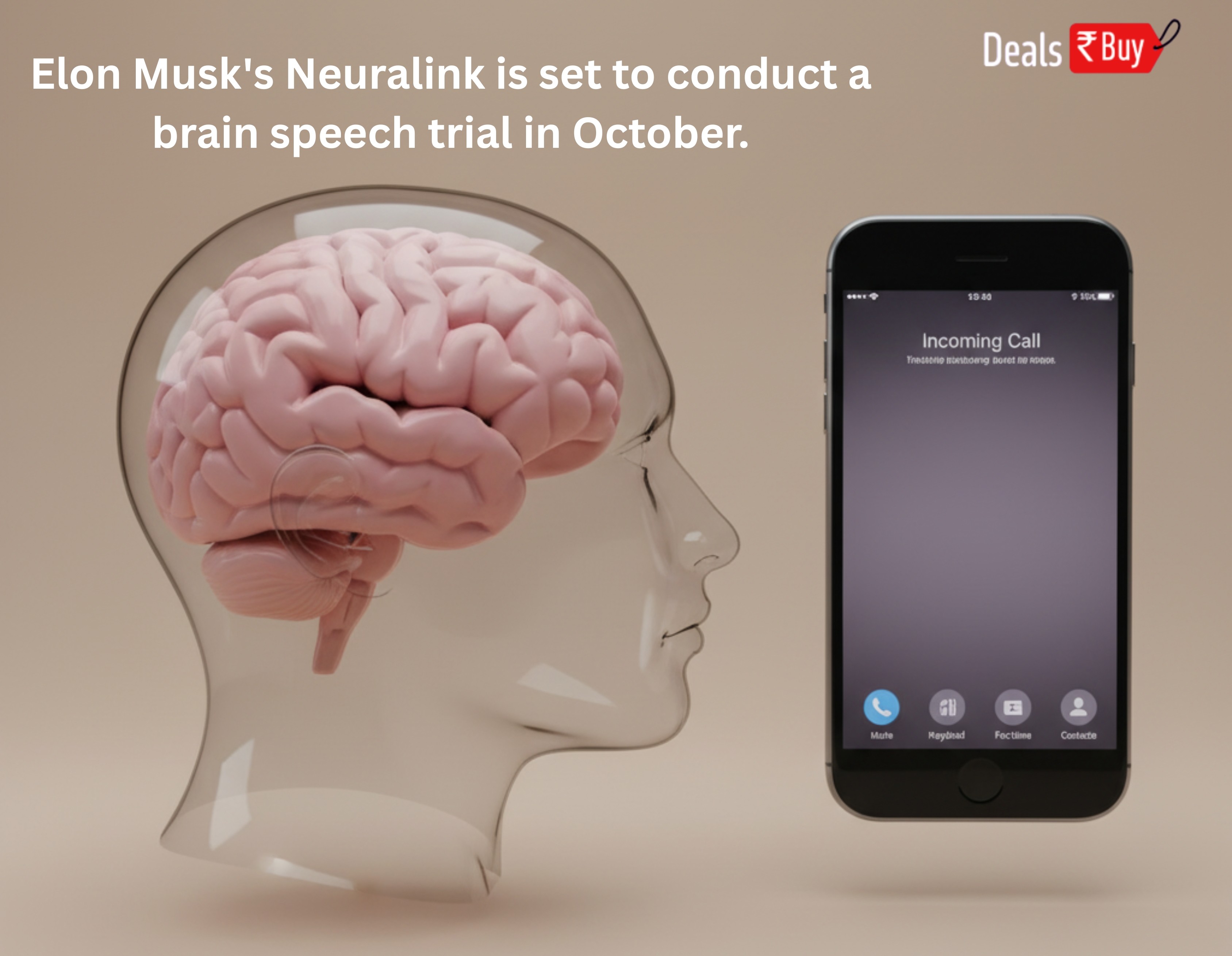
This October, Neuralink plans a new clinical trial in the U.S. aimed at literally turning thoughts into text. Imagine thinking, ââ'¬Å"I want pizzaââ'¬ and your phone types it out instantly. Extra cheese included.
Sounds fun, right? But hereââ'¬â"¢s the kicker: is this going to be a utopia helping people communicate effortlessly, or a dystopian nightmare with corporations peeking into your brain like WiFi-hungry gremlins?
Hereââ'¬â"¢s what weââ'¬â"¢ll cover:
- What Neuralink is doing right now.
- Why itââ'¬â"¢s a game-changer for people with speech or mobility issues.
- How it could reshape daily life ââ'¬" for better or worse.
- The ethical ââ'¬Å"yikesââ'¬ questions.
- Some nerdy sci-fi comparisons, because why not.
So, What Is Neuralink
Neuralink is Muskââ'¬â"¢s mission to make brains into USB ports. Tiny implants sit in your skull, reading electrical signals from neurons. For the upcoming trial, theyââ'¬â"¢re focusing on helping people with speech issues. The chip connects to the speech part of the brain, detects intended words, and converts them into text on a screen. Think Google Translate, but from brainwaves to words.
This is huge. People with speech or mobility challenges usually rely on slow methods like eye-tracking keyboards. Neuralink could skip the middleman and let thoughts flow instantly.
Utopian Dreams
Letââ'¬â"¢s get positive first. If Neuralink works as promised, it could be life-changing:
- People with ALS: No words? No problem. ââ'¬Å"Think-typeââ'¬ complete sentences instantly.
- Stroke survivors: Communicate without long rehab sessions.
- People with paralysis: Control computers, phones, or prosthetics just by thinking.
Itââ'¬â"¢s basically giving superpowers to those facing huge hurdles. And if youââ'¬â"¢ve ever cursed at slow WiFi, imagine doing that thousands of times a day because your brain canââ'¬â"¢t communicate fast enough. Neuralink could fix that.
Dystopian Nightmares
But hold on ââ'¬" not all sunshine. Neuralink isnââ'¬â"¢t just about helping people. Itââ'¬â"¢s a profit-driven venture led by someone who wants to colonize Mars and build AI-powered cars. Money talks.
Picture this:
- Hacked minds: Someone could literally steal your thoughts.
- Targeted ads 2.0: Starbucks knows youââ'¬â"¢re craving coffee the moment you think about it.
- Workplace monitoring: Your boss doesnââ'¬â"¢t just watch clicks ââ'¬" they track your thoughts. Vacation daydreams? Gone.
- Political manipulation: Fake news on steroids, delivered straight to your neurons.
Tech thatââ'¬â"¢s supposed to help could turn into a ââ'¬Å"Borg collectiveââ'¬ scenario real quick.
Elon Muskââ'¬â"¢s Big Plan
Neuralink wants even healthy people to get brain implants in 3-4 years. Why?
- Chat with AI at thought speed.
- Instant responses to your questions.
- Be a walking Google search with zero delay.
Sounds fun, but really, do we need more mental overload? Notifications already fry our brains; now imagine AI in there 24/7.
Sci-Fi Parallels
For sci-fi fans, Neuralink feels familiar:
- Neuromancer: Humans lost in cyberspace.
- Borg from Star Trek: Hive mind, individuality gone.
- Cyberpunk 2077: Fancy implants, but mega-corporations rule.
- Black Mirror: Any episode could happen.
The question: will we get Picard-style harmony or accidental chaos like subscribing to 18 OnlyFans accounts without consent?
Trials Are Happening
This isnââ'¬â"¢t just hype. Five clinical trials are ongoing: one in the U.S., others in Canada, the U.K., and UAE. Patients already have implants. Octoberââ'¬â"¢s trial is another step forward.
Ethical Dilemmas
Even if Neuralink helps thousands, questions arise:
- Will only rich people get access
- Could governments use it militarily
- Will employers make it mandatory
- Will religious groups object
Tech spreads unevenly. Smartphones started luxury, now everyone has them. Brain implants could follow ââ'¬" but is that a good thing?

Tech Missteps in History
- Smartphones: From productivity tools to TikTok time-sinks.
- Social media: Supposedly for connection, now linked to depression, misinformation, and political chaos.
- AI chatbots: Helped customers, but also caused tragedies.
History shows we donââ'¬â"¢t always handle tech responsibly. Neuralink could repeat that pattern.
Possible Benefits
- Education: Download a language straight into your brain. ââ'¬Å"I know Kung Fuââ'¬ style.
- Healthcare: Doctors interpret patient signals instantly.
- Entertainment: Play games with thoughts only. Bye-bye controllers.
- Communication: Share thoughts in long-distance relationships. Creepy? Romantic? Your call.
Would I Get One
Personally? Iââ'¬â"¢d wait. Every new tech has issues. When your brain is the tech, caution wins. Maybe Iââ'¬â"¢ll try Version 10.3 after they fix the ââ'¬Å"random brain rebootââ'¬ bug.
Conclusion: Excited but Careful
Neuralink could either:
- Help millions communicate and regain independence.
- Turn the world into a Black Mirror episode.
Likely, itââ'¬â"¢s somewhere in the middle. Some will benefit big time, others will debate Muskââ'¬â"¢s Walmart brain chip launch.
Excited? Yes. Cautious? Absolutely. Practicing Borg impressions? Maybe.
TL;DR
- Neuralinkââ'¬â"¢s October trial: thoughts to text.
- Huge potential for people with speech/mobility challenges.
- Risks: hacking, surveillance, corporate misuse.
- Sci-fi vibes: Borg, Cyberpunk, Black Mirror.
- The future is nearly here ââ'¬" and itââ'¬â"¢s wired to your brain.


